Quality & safety

Quality Isn’t a Claim. It’s a Process.

At HYDRARICH, quality begins before the water enters the production line and continues until the sealed product leaves our facility.

IS 14543:2024 Packaged drinking water
10 stages Raw water to sealed pack
Every batch Verified before dispatch
In-house Produced at our own facility
Water treatment

The most critical stage in making packaged drinking water.

Treatment removes physical, chemical and microbiological impurities from raw water to produce safe, hygienic, high-quality drinking water suitable for human consumption. Our treatment system is designed to:

  • Remove suspended solids and turbidity.
  • Reduce Total Dissolved Solids (TDS) to acceptable levels.
  • Eliminate harmful bacteria, viruses and microorganisms.
  • Remove dissolved salts, heavy metals, pesticides and other contaminants.
  • Improve the taste, odour and clarity of water.
  • Ensure consistent water quality throughout the year.
  • Protect downstream equipment and extend the life of filtration systems.
  • Produce safe and hygienic packaged drinking water for consumers.
From source to sip

Our water treatment flow

A modern multi-stage system — filtration, Reverse Osmosis (RO), Ultraviolet (UV) sterilization and ozonation — designed to consistently produce water that meets IS 14543:2024 (Packaged Drinking Water) and applicable food safety regulations.

  1. 01

    Intake

    1. Raw Water Source
    2. Raw Water Storage Tank
    3. Raw Water Pump
  2. 02

    Pre-treatment

    1. Pressure Sand Filter (PSF)
    2. Activated Carbon Filter (ACF)
    3. Water Softener If required
  3. 03

    Fine filtration

    1. 10 Micron Cartridge Filter
    2. 5 Micron Cartridge Filter
  4. 04

    Purification

    1. High Pressure Pump
    2. Reverse Osmosis (RO) Plant
  5. 05

    Disinfection

    1. UV Sterilizer
    2. Ozonation System
  6. 06

    Storage & filling

    1. Purified Water Storage Tank
    2. Automatic Filling & Packaging
Treatment stages

Ten stages, each with a job to do

Producing premium packaged drinking water requires much more than filtering. Every stage is designed around the characteristics of the source water and the required finished-water specification.

  1. Stage 01

    Raw Water Collection

    Raw water is sourced from an approved groundwater or municipal supply and stored in a dedicated raw water tank. Before treatment it is tested, and the analysis helps optimize the treatment process.

    Tested for

    • pH
    • Turbidity
    • Total Dissolved Solids (TDS)
    • Hardness
    • Iron content
    • Chloride concentration
    • Microbiological quality
  2. Stage 02

    Pressure Sand Filtration (PSF)

    The first stage of treatment is the Pressure Sand Filter.

    Functions

    • Removes suspended particles.
    • Eliminates sand and silt.
    • Reduces turbidity.
    • Protects downstream filtration equipment.

    Benefits

    • Improved water clarity.
    • Increased efficiency of subsequent treatment stages.
    • Reduced maintenance requirements.
  3. Stage 03

    Activated Carbon Filtration (ACF)

    The water then passes through an Activated Carbon Filter containing high-grade activated carbon.

    Functions

    • Removes chlorine.
    • Reduces unpleasant taste and odour.
    • Adsorbs organic impurities.
    • Improves water appearance.

    Benefits

    • Enhanced taste.
    • Better RO membrane protection.
    • Improved overall water quality.
  4. Stage 04

    Water Softening

    Where raw water hardness exceeds acceptable limits, an ion-exchange water softener is incorporated.

    Functions

    • Removes calcium and magnesium ions.
    • Prevents scale formation.
    • Protects RO membranes.
    • Improves treatment efficiency.
  5. Stage 05

    Cartridge Filtration

    Fine filtration is achieved using cartridge filters.

    Filter stages

    • 10 Micron Cartridge Filter
    • 5 Micron Cartridge Filter

    Functions

    • Removes fine suspended particles.
    • Protects the RO membranes from fouling.
    • Enhances filtration efficiency.
  6. Stage 06

    Reverse Osmosis (RO)

    The primary purification stage of the plant. Water is forced through semi-permeable membranes under high pressure, separating dissolved impurities from purified water.

    RO removes

    • Dissolved salts
    • Heavy metals
    • Fluoride
    • Nitrates
    • Pesticide residues
    • Harmful chemicals
    • Excess minerals

    Benefits

    • Significant reduction in TDS.
    • Improved taste.
    • Enhanced safety.
    • High-quality drinking water.
  7. Stage 07

    UV Sterilization

    The purified water passes through an Ultraviolet Sterilization Unit.

    Functions

    • Destroys bacteria.
    • Inactivates viruses.
    • Eliminates harmful microorganisms.
    • Prevents microbial contamination.

    Advantages

    • Chemical-free disinfection.
    • No change in water taste.
    • High disinfection efficiency.
  8. Stage 08

    Ozonation

    Food-grade ozone is introduced into the purified water.

    Functions

    • Final disinfection.
    • Oxidation of residual microorganisms.
    • Extended product shelf life.
    • Improved freshness.

    Benefits

    • Highly effective antimicrobial treatment.
    • No residual taste or odour.
    • Maintains water quality during storage and distribution.
  9. Stage 09

    Purified Water Storage

    The treated water is transferred to a food-grade stainless steel storage tank.

    Features

    • Closed hygienic design.
    • Periodic sanitization.
    • Protection against contamination.
    • Continuous circulation where applicable.
  10. Stage 10

    Filling and Packaging

    Purified water is filled into sanitized containers under hygienic conditions. Containers are immediately sealed and labelled before dispatch.

    Packaging formats

    • 20-Litre Polycarbonate Jars
    • 10-Litre Jars
    • 5-Litre Containers
    • 2-Litre PET Bottles
    • 1-Litre PET Bottles
    • 250 ml PET Bottles
Water quality monitoring

Tested throughout production

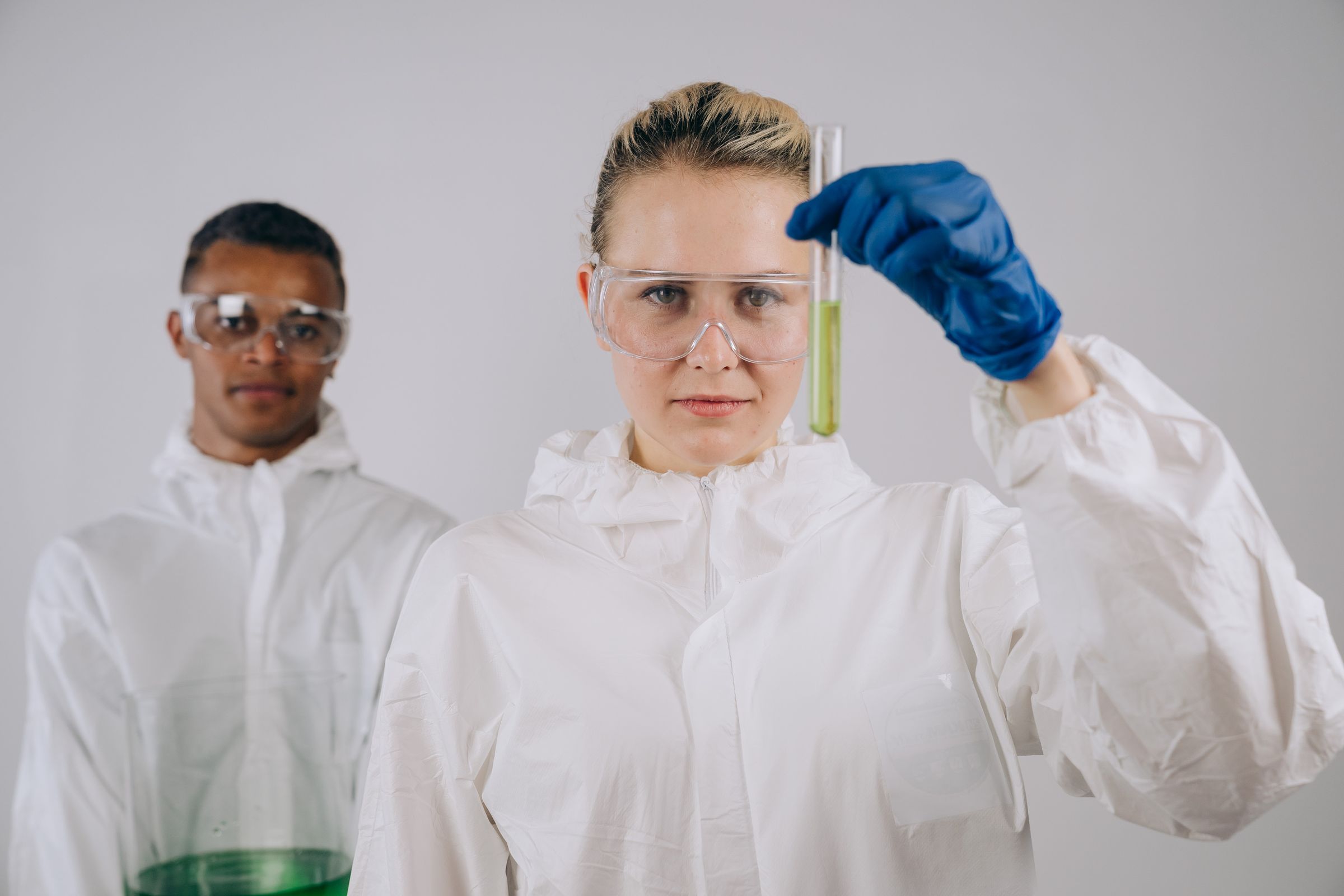
Routine laboratory testing is conducted throughout the production process, across three groups of parameters.

5 checks

Physical parameters

  • Colour
  • Odour
  • Taste
  • Turbidity
  • Temperature
7 checks

Chemical parameters

  • pH
  • TDS
  • Hardness
  • Alkalinity
  • Chloride
  • Iron
  • Fluoride
4 checks

Microbiological parameters

  • Total Plate Count
  • Coliform Bacteria
  • Escherichia coli (E. coli)
  • Yeast and Mould (where applicable)

Testing frequency is established as part of the plant’s quality assurance program.
Researchers working together in a laboratory
Why treatment matters

Water may appear crystal clear and still carry what you cannot see.

That is why professional water-quality management depends on scientific testing rather than appearance alone. HYDRARICH’s philosophy is built around understanding the incoming water, applying the appropriate treatment and verifying the quality of the finished product.

Quality management

Six things we monitor

Our quality-management approach runs from the incoming water to the sealed pack leaving the facility.

Source water Understanding incoming water characteristics before any treatment decision is made.
Process control Monitoring critical stages of purification and treatment.
Mineral management Maintaining the desired finished-water mineral profile.
Microbiology Maintaining hygienic processing and filling conditions.
Packaging Protecting water after treatment through appropriate packaging and sealing.
Final testing Verifying important parameters before market distribution.
Process control

How every batch stays consistent

To ensure consistent product quality, the plant follows these process control measures:

  • Daily inspection of treatment equipment.
  • Scheduled replacement of filter media and cartridges.
  • Routine membrane cleaning.
  • Regular calibration of instruments.
  • Preventive maintenance.
  • Batch-wise production records.
  • Laboratory documentation.
  • Employee hygiene protocols.
  • Standard Operating Procedures (SOPs).
Standards & compliance

Never compromise on water. Neither do we.

HYDRARICH is committed to manufacturing its packaged drinking water in accordance with applicable Indian regulatory and quality requirements. HYDRARICH is Packaged Drinking Water under IS 14543:2024 and should not be described as Packaged Natural Mineral Water. References to mineral composition, treatment processes, certifications and laboratory parameters correspond to the approved manufacturing process and verified results.

Why it matters

What our treatment system delivers

Together, the ten stages offer these benefits.

  1. Multi-stage purification.
  2. High microbiological safety.
  3. Consistent product quality.
  4. Improved taste and clarity.
  5. Reliable production throughout the year.
  6. Reduced contamination risks.
  7. Compliance with applicable quality requirements.
  8. High customer confidence.
Sustainability

Better water. Greater responsibility.

As a water brand born in Punjab, HYDRARICH understands that responsible water management is not simply good business — it is essential for the future. Our treatment system and operations build in measures that promote responsible resource management.

Responsible water management

Efficient water utilisation, with water usage optimised and wastage reduced where practical, and responsible handling of RO reject water where feasible.

Process efficiency

Energy-efficient equipment, leak prevention and maintenance, and continuous evaluation of technologies that reduce unnecessary water loss.

Reusable packaging

Reusable 20-litre polycarbonate jars, and responsible reuse and recycling of jars and packaging materials — without compromising product safety and integrity.

Cleaner delivery

Electric vehicle–based local distribution reduces emissions and improves operational sustainability.

Hydrate today. Respect tomorrow.

Systematic filtration, reverse osmosis, UV sterilization and ozonation, backed by robust quality assurance, keep every pack consistent and compliant. Questions about our process, standards or testing? Our team is happy to talk them through.

Contact HYDRARICH